The way your spine moves influences almost everything you do, from tying your shoes at South End to carrying shopping up the station steps at East Croydon. When spinal segments stiffen or compensate for one another, the body finds a way around it. That workaround often costs you in the long run. Muscles tighten, joints ache, nerves complain, and simple jobs feel oddly heavy. Manual therapy focuses on restoring movement where it belongs, so the rest of you can stop overworking.
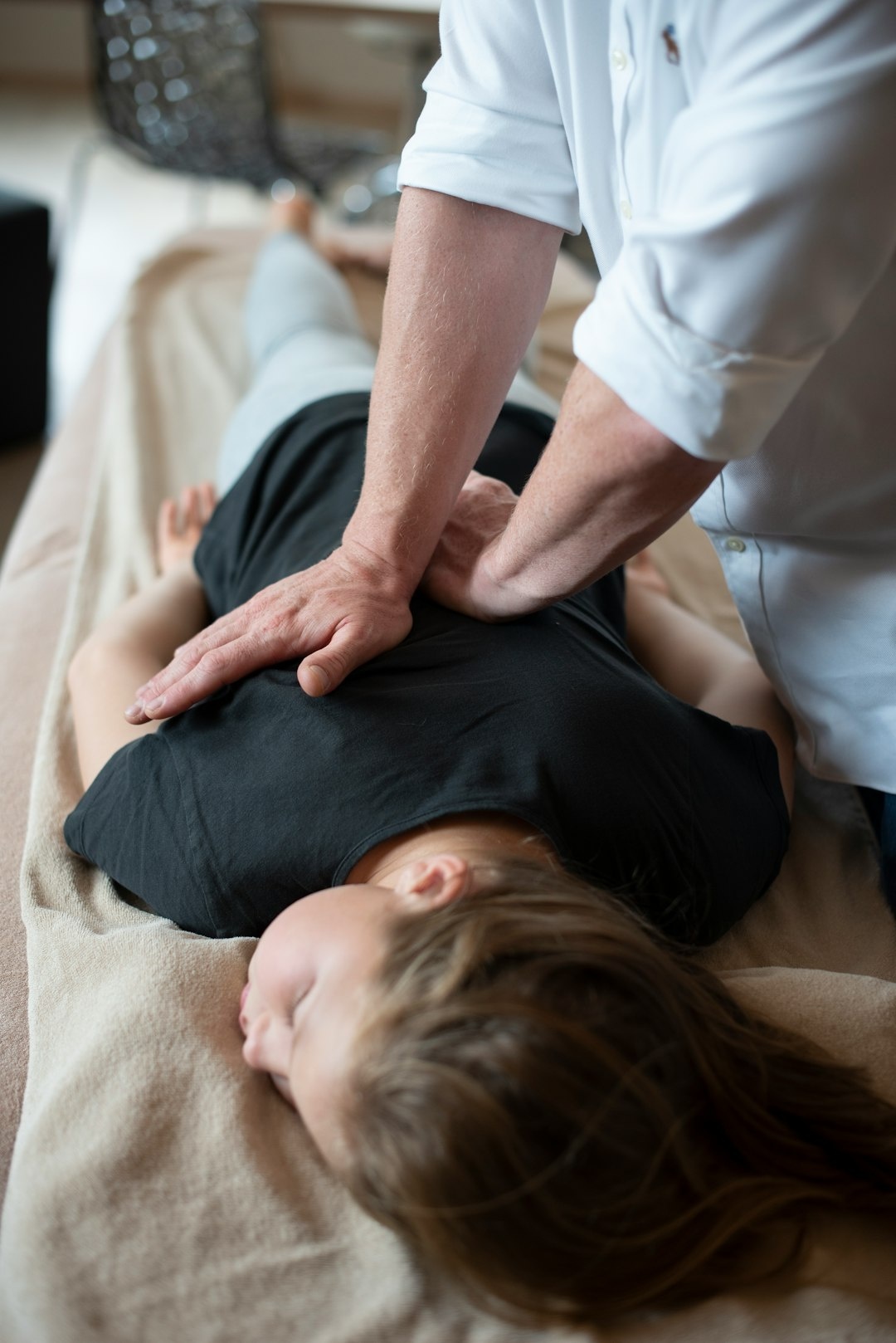
Across Croydon, people arrive at an osteopathy clinic with the same complaint phrased a hundred different ways. It may be a locked neck after a hard week at the desk near Purley Way, a low back that never settled after a gardening weekend in Sanderstead, or mid-spine stiffness local osteopath Croydon that turns every deep breath into an effort. The common thread is mobility. You do not need to be hyper-flexible. You need joints that share the load properly, tissues that glide, and a nervous system that trusts you to move.
What manual therapy actually means in osteopathic practice
Manual therapy is a family of hands-on techniques used to assess and improve how the spine and related tissues move. In the context of osteopathic treatment Croydon residents receive, it usually blends joint mobilisations, soft tissue work, targeted muscle techniques, high velocity low amplitude thrusts where appropriate, and graded exposure to movement. A Croydon osteopath is trained to gauge which technique suits which stage, and more importantly, which technique matches you, your condition, and your goals.
Osteopathy in the UK is a regulated profession. A registered osteopath Croydon based must meet standards set by the General Osteopathic Council, carry appropriate insurance, and maintain ongoing professional development. That matters because spinal work is safe when used judiciously and with clear clinical reasoning. It is not a set of tricks, it is a clinical conversation in movement.
Why spinal mobility matters more than you think
Joints are happiest when they are loaded and unloaded through their available range several times a day. That pumping effect feeds cartilage, keeps the synovial fluid healthy, and protects the small but crucial stabilisers that give you control. When movement becomes patchy, the nervous system begins to guard. Muscles co-contract, sensitive areas feel threatened, and your available range shrinks. You may notice it as stiffness on waking, a pulling sensation when you look over your shoulder, or the sense that your back needs to click but refuses.
There are practical knock-on effects. Reduced thoracic mobility narrows the options your neck and low back have when you rotate, which is why a stiff mid-spine often shows up as neck pain. Limited hip rotation loads the lumbar spine, particularly during walking on the hills toward Upper Norwood. An osteopath near Croydon will often treat beyond the painful area for this reason. Mobility is a team sport.
The first session, step by step, without the mystique
People want to know what to expect. A typical first visit to an osteopathy clinic Croydon patients describe favourably includes a thorough case history, a movement assessment, and treatment if appropriate. Clothing stays on as much as possible, privacy and consent are non-negotiable, and you will be asked to move, bend, and sometimes perform simple strength tests. Good clinicians explain what they find and involve you in the plan.
If something does not add up or red flags emerge, you will be referred. In a week, it is normal to see two or three people whose pain does not behave like a musculoskeletal problem and who need imaging or a GP opinion. A responsible local osteopath Croydon residents can trust will keep safety front and centre.
Safety, regulation, and sensible caution
Any spinal work deserves respect. In the UK, osteopathic training covers the recognition of serious pathology, from fracture risk in osteoporosis to inflammatory back pain and nerve compromise. Techniques are selected to match your health status. For a hypermobile person, the goal is control rather than more range. For a postnatal patient with sacroiliac irritation, compressive techniques and breath-led mobilisation outperform forceful adjustments. For someone with long-standing ankylosing spondylitis, end-range spinal thrusts are avoided entirely.
It is worth saying plainly that spinal manipulation is generally safe when performed by a qualified professional, yet it is not compulsory. Many conditions settle with lower force options. A registered osteopath Croydon based will discuss choices, obtain explicit consent, and adapt session by session.
The clinical toolkit: techniques that improve spinal mobility
Each technique has a purpose and a feel. The art is in the dosage and the sequence.
Joint mobilisation, graded and purposeful
Mobilisation means rhythmically moving a restricted joint within or at the edge of its available range, using graded amplitudes and speeds. In the neck, this might be gentle side gliding of a stiff segment to desensitise the area and restore a few degrees of rotation. In the thoracic spine, it often looks like springing a facet joint at end range in prone or sitting. Mobilisation is ideal when the nervous system needs coaxing. It is how you nudge a hesitant joint back into the conversation without provoking a fight.
High velocity low amplitude thrusts, the click that is not the goal
The audible pop, when it happens, is simply gas shifting in the joint space. The goal is a brief, precise impulse that clears a local restriction and eases protective tone. Some people respond rapidly, especially in the upper thoracic segments where the rib cage and spine can lock together after a cough or a spell at the laptop. Others prefer to avoid thrusts. That is fine. The clinical point is restoring movement, not chasing sound.
I often use a thoracic seated thrust for desk-bound patients whose mid-spine refuses to extend. Two or three well chosen impulses, followed by breathing drills and segmental flexion-extension work, can give back the first 10 to 15 degrees of extension. The change is less about flexibility and more about confidence and patterning.
Muscle energy technique, strength meets length
Muscle energy technique, often abbreviated to MET, uses a patient’s own gentle contractions against resistance to influence joint position and muscle tone. For example, with a rotated lumbar segment, you can place the joint just before its barrier, ask for a 3 to 5 second, 20 percent effort in the opposite direction, relax, and take up the slack. Repeated two or three times, it often frees the rotation without provoking soreness. MET is also excellent for suboccipital tension that limits nodding and for hip rotators that subtly limit lumbar rotation during gait.
Soft tissue and myofascial release, friction where it counts
The word massage hides a lot of detail. In targeted osteopathic work, soft tissue techniques are used to change the glide between layers, reduce protective spasm, and improve circulation. I will use slow, oblique strokes into the paraspinals where they bunch at the thoracolumbar junction, cross-fibre work on the upper trapezius where it thickens near the shoulder, and myofascial holds along the lateral rib angles to unlock breathing mechanics. When done precisely, these interventions give joints a fighting chance to move.
Articulation with breath, using the diaphragm as a lever
Breath is a tool, not an afterthought. Asking someone to inhale into a restricted rib can help the rib head roll, the costotransverse joint ease, and the thoracic spine extend a few extra millimetres at end range. I often combine a manual contact with coached breathing, especially after a cold or a chesty cough that left the thorax guarded. The diaphragm’s movement is a subtle mobiliser for the entire thoracolumbar region.
Strain counterstrain and positional release, quieting the alarm
Sometimes the fastest way to restore motion is to lower the perceived threat. Positional release involves placing the region of tenderness into its position of comfort, holding for 60 to 90 seconds, then gently returning to neutral. The effect can be profound with acute neck locks after sleeping awkwardly. You do not force anything. You persuade the nervous system that it is safe to let go.
Neural mobilisations, because nerves do not like to be stuck
Spinal mobility is not only about bones and discs. Nerve roots and their sleeves need to slide. If a slump test or upper limb tension test shows limited neural mobility, gliding techniques can restore movement tolerance. These are not aggressive stretches. They are rhythmic movements that tension one joint while slackening another, encouraging the nerve to move within its sheath. For example, a median nerve glide performed away from the pain can improve neck rotation minutes later.
Functional integration, choosing the next movement wisely
Hands-on work sets the stage. The next steps, often taken within the same session, matter just as much. Reintegrating a freed segment into functional patterns like hip hinge, thoracic rotation in half kneeling, or simple gait drills locks in the change. A Croydon osteopath who treats commuters may finish with an anti-rotation press to teach the trunk to share load on a standing train. For gardeners, a split-stance weight shift combined with breath teaches the lumbar spine to tolerate reach and lift.
Patterns seen locally, and what they tell us
After a few years working as an osteopath south Croydon way, you notice clusters.
- Neck and shoulder girdle tension in office workers who alternate between a laptop in the home office and a hot desk in central Croydon. Their thoracic spines are usually the primary culprits, especially around T4 to T7. Treat there first, then cue scapular upward rotation. Low back fatigue in delivery drivers who twist to lift. They often have limited hip internal rotation, a subtle leg length functional difference, and a tender quadratus lumborum that braces all day. You need to free the hips and the lower thoracic segments, then give them a loading strategy they can repeat 20 times a day. Mid-spine ache in parents of toddlers, from constant forward flexion. Their lumbar spines are often fine. Teach them to pick up from a high squat, plus thoracic extension over a towel roll for 90 seconds in the evening. Small homework, large return.
Mobility restrictions do not live in isolation. Part of the craft is to find the primary restriction, not the loudest one.
A typical treatment plan, measured in weeks not months
Barring red flags or complex chronicity, many mobility-driven complaints respond in 2 to 6 sessions over 3 to 8 weeks. The early sessions aim to reduce pain and restore baseline movement. Middle sessions focus on capacity, patterning, and confidence. Later sessions are spaced out for consolidation. If there is no meaningful change within two to three visits, the plan changes. That might mean imaging, a GP conversation, or a different approach such as a pain management focus, strength-first rehab, or referral to another professional.
Pricing varies across the borough, but a transparent osteopathy clinic Croydon residents rate well usually lists fees, offers clear receipts for insurer claims, and gives you a written plan when asked. There is no prize for booking endless appointments. The goal is independence.
Two stories from practice, details that stick
A 44 year old teacher came in with neck pain that made reversing the car nerve-wracking. The pain started after a long parents’ evening followed by a weekend of marking hunched on the sofa. Her neck rotation was limited 40 percent to the right, yet her thoracic extension was where the real deficit lived. We used seated thoracic mobilisation and breath-assisted rib work, then MET to the right scalene group. I sent her home with a two minute thoracic extension over a rolled towel and a cue to rest her laptop on two cookbooks. She left that day with 10 degrees more rotation. Four sessions later, she was driving comfortably and had changed her marking setup. The win was not the click, it was the pattern.
A 33 year old delivery driver described low back pinching during the third hour of his route. His hips told the story. Internal rotation on the right was 10 degrees short, and his thoracic rotation was asymmetric. Soft tissue work for the posterior hip, lumbar MET, and a hip hinge lesson did more than any single thrust could. I added a car door anti-rotation press he could do between drops. The back did not need protection, it needed teammates.
A five step home mobility flow that works
Use this short sequence on non-flare days. If pain spikes, reduce the range or pause. Breathe slowly through your nose where possible.
- Thoracic open book on the floor, 6 slow reps each side, keeping knees stacked. Seated cat camel on the edge of a chair, 8 gentle arcs, focus on mid-spine not neck. Supine 90-90 hip rotations, 8 total, light range to invite the hips to share load. Standing wall reach with breath, exhale to reach and protract, inhale to relax, 5 cycles. Tall kneeling hip hinge with dowel along the spine, 6 reps, practice spine-neutral movement.
This routine rarely takes longer than six minutes. Done daily for two weeks, it changes how your spine feels getting out of bed.
Ergonomics that actually help, without buying a new chair
You do not need an expensive setup to protect your spine. Place your laptop on two or three sturdy books so the top third of the screen sits at eye level. Use an external keyboard so your shoulders can drop. Sit back to use the chair’s backrest rather than perching. If you stand, alternate your lead foot on a low box to reduce lumbar compression. Walk for two minutes every 30 to 45 minutes. For phone use, lift the screen rather than folding your neck, or switch to voice notes for longer messages. The aim is variation, not one perfect posture.
Shoes matter too. If your workday involves a lot of walking on Croydon’s mixed pavements, choose footwear with a bit of forefoot flexibility and a secure heel cup. If your ankle is stiff, your low back will know about it by Friday.
When to seek urgent help, not another stretch
Manual therapy and exercise handle a lot, but they are not for every situation. Stop and seek medical advice if you notice any of the following:
- Unexplained weight loss, fever, or a history of cancer with new spinal pain. Recent significant trauma, especially if you are osteoporotic or on long-term steroids. Progressive weakness, saddle numbness, or changes in bladder or bowel control. Night pain that does not ease when you change position. Severe, unremitting pain that does not respond to simple analgesia or rest.
A good Croydon osteopath will also screen for these and refer promptly. Safety is part of care, not a separate topic.
What the evidence says, without overpromising
Research on manual therapy and spinal pain is a mixed but encouraging picture. Systematic reviews often report small to moderate short term benefits for pain and function, particularly for neck and low back complaints, when manual therapy is combined with exercise. Specific techniques like thrust manipulation sometimes show faster changes in range or pain sensitivity, especially in acute or subacute cases. For long-standing pain, the best outcomes generally come from a package that blends hands-on work, progressive loading, and lifestyle change.
Two caveats help set expectations. First, no technique is magic. The right dose of the right method for the right person creates outsized results, but those results always live inside a plan. Second, flare-ups happen. They do not mean you are broken or that the technique failed. They mean the system is adapting. Calm it down, adjust the variables, and keep moving.
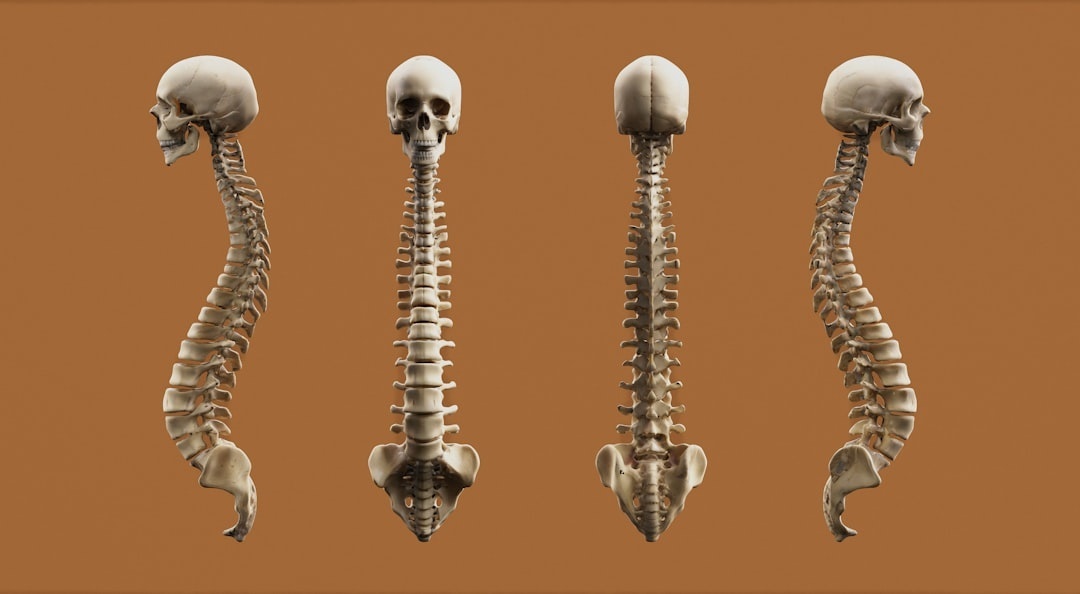
How a registered osteopath in Croydon personalises care
Context dictates care. An osteopath near Croydon who treats a lot of cyclists will look hard at thoracic rotation, hip flexor tone, and breathing mechanics under load. For someone who spends the day on the tram and then lifts at the gym, the pattern might be different. The intake covers sleep, stress, activity, previous injuries, medications, and your week’s rhythm. A good plan borrows from your habits rather than fighting them.
For example, if you pass East Croydon station twice a day, that is two natural opportunities for a 90 second mobility drill on the platform. If you have a dog, the morning walk becomes a chance for a few half-kneel thoracic rotations at the park bench. Practical wins beat perfect programs.
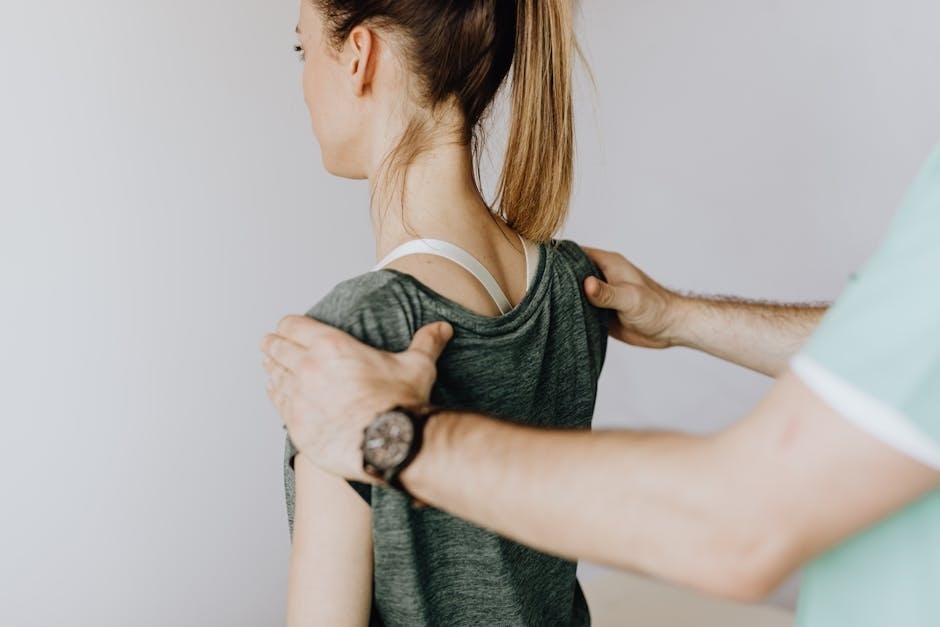
Choosing the right clinic and the right person
The phrases best osteopath Croydon or joint pain treatment Croydon get tossed around online. There is no single best, there is a best fit. Look for a practitioner who:
- Is registered with the General Osteopathic Council and lists their registration number. Explains findings in plain language and invites your questions. Blends manual therapy with movement, not one or the other. Sets clear goals and measures progress you can feel and see. Has a network for referrals, from GP contacts to local physios, if you need another opinion.
Reviews tell part of the story, but a short phone chat can often tell you more. Notice whether the clinic asks about your goals or just sells a package. A thoughtful osteopathy clinic Croydon based will outline options and let you decide.
Special populations and specific trade-offs
- Hypermobile individuals often feel better after soft tissue and stability work rather than repeated end-range adjustments. Their goal is controlled range, not more range. Osteoporosis or low bone density warrants caution with high velocity techniques. Mobilisation, MET, and functional loading can still deliver excellent outcomes. During pregnancy, manual therapy can ease rib flare, mid-spine stiffness, and pelvic girdle pain. Positioning and technique choice shift to protect comfort and safety. Gentle articulations, breath work, and taping sometimes feature. Adolescents with growth spurts may show transient stiffness or aching. Education and light mobility with graded strength practices help, as does workload management in sport. After acute disc irritation, timing is everything. Early on, you respect tissue irritability and use gentle positions of comfort, neural glides as tolerated, and careful hip mobility. As symptoms settle, you layer in hinge patterns, anti-rotation strength, and gradual exposure to flexion and rotation.
The role of strength and cardiovascular health in mobility
Stronger people move with more confidence. A spine supported by resilient hips, robust glutes, and an engaged trunk needs fewer second-by-second micro-braces. Add two strength sessions a week, even if they are 20 minutes with bodyweight and a backpack. Walking briskly for 20 to 30 minutes on three to five days each week does more for your spine than most gadgets. Cardiorespiratory fitness improves pain modulation and recovery.
Breathing work sits here too. Nasal breathing at a gentle pace, five seconds in and five seconds out, can soften rib stiffness and lower the background hum of threat that amplifies pain. It is free and you can do it on the tram.
Frustrations and honest answers
People often ask how many sessions they will need. The honest answer is that acute mobility restrictions sometimes shift in one to two visits, whereas entrenched patterns with strength and habit components take four to eight. If work stress spikes or sleep tanks, progress slows. None of this is failure. It is life.
Others ask if the spine goes out and needs putting back. It does not. Joints can feel restricted and sensitive, muscles can guard, and your map of safe movement can shrink. Manual therapy and movement update that map. That is why changes sometimes feel instant, and why they hold best when reinforced with new habits.
Finally, a note on clicks and crack videos. They are not the point. Chasing sound without a plan is a party trick. A click within a considered sequence is welcome when it fits, ignored when it does not.
How manual therapy and the NHS MSK pathway can coexist
If you are already on an NHS musculoskeletal pathway through your GP, manual therapy can support that effort. Bring any letters or imaging reports you have. A Croydon osteopath can often liaise with your GP when needed, especially around medication questions or imaging requests. If your case would benefit from a pain management service, specialist physio, or rheumatology opinion, a collaborative approach shortens the road.
What keeps results sticking between sessions
You take your gains with you. Small habits lock them in. Break sitting with brief walks. Do the six minute mobility flow most days. Lift with a hip hinge you could demonstrate on camera. Sleep enough that your nervous system has margin. Choose one sport or activity you actually like, and accumulate minutes there. It is easier to maintain mobility by using it than by rescuing it every month in the clinic.
If you drive a lot, set your seat slightly more upright and bring the wheel closer to you so your shoulders relax. If you push a buggy up Park Hill, alternate which hand does more of the work. If you carry a bag, swap sides every 10 minutes. If stress rises, your breath work matters more, not less.
The local angle, grounded in Croydon
The borough offers plenty that helps your spine. Lloyd Park’s paths are kind to ankles and encourage a natural stride. The steps at East Croydon are a ready-made conditioning tool for calves and glutes if you take them two at a time with control. Fairfield Halls has seats with decent lumbar support, which helps during long performances. If your week takes you from Addiscombe to Purley, those short walks to and from the tram add up. Use them. The idea is to thread mobility into your life, not bolt it on.
A Croydon osteopath who understands your routes, your work patterns, and your recreation can tailor more precisely. That is what people mean when they look for a local Croydon osteopath osteopath Croydon can rely on. It is not just convenience, it is context.
If you are on the fence about booking
If you are unsure whether hands-on care fits your case, a short pre-appointment call helps. Outline the problem, how long it has been present, what makes it worse or better, any red flags, and your goals. A candid clinician will tell you if you are likely to respond to manual therapy Croydon clinics provide, if you are better off starting with supervised strength work, or if the priority is medical investigation. Sometimes the best first session is education and a plan, with treatment to follow.
For those seeking osteopathic treatment Croydon wide, look for transparent communication and a plan that makes sense to you. The right fit feels collaborative from the first email.
A final word on spinal mobility that lasts
Mobility is not a party trick, it is a daily dialogue with your body. Manual therapy opens doors, but you are the one who walks through them. A good plan respects your schedule, your preferences, and your history, and it asks for small, consistent actions rather than heroic efforts. If you can spare six minutes most days, a handful of breath-led mobilisations, a few patient strength patterns, and periodic tune-ups at an osteopathy clinic Croydon trusts, your spine will reward you.
Your body is adaptable at any age. Given a nudge in the right place, the nervous system learns fast. With a registered osteopath Croydon residents can access easily, thoughtful manual care and honest coaching move you past stiffness into movement that feels like your own again.
```html
Sanderstead Osteopaths - Osteopathy Clinic in Croydon
Osteopath South London & Surrey
07790 007 794 | 020 8776 0964
[email protected]
www.sanderstead-osteopaths.co.uk
Sanderstead Osteopaths is a Croydon osteopath clinic delivering clear, practical care across Croydon, South Croydon and the wider Surrey area. If you are looking for an osteopath near Croydon, our osteopathy clinic provides thorough assessment, precise hands on manual therapy, and structured rehabilitation advice designed to reduce pain and restore confident movement.
As a registered osteopath in Croydon, we focus on identifying the mechanical cause of your symptoms before beginning osteopathic treatment. Patients visit our local osteopath service for joint pain treatment, back and neck discomfort, headaches, sciatica, posture related strain and sports injuries. Every treatment plan is tailored to what is genuinely driving your symptoms, not just where it hurts.
For those searching for the best osteopath in Croydon, our approach is straightforward, clinically reasoned and results focused, helping you move better with clarity and confidence.
Service Areas and Coverage:
Croydon, CR0 - Osteopath South London & Surrey
New Addington, CR0 - Osteopath South London & Surrey
South Croydon, CR2 - Osteopath South London & Surrey
Selsdon, CR2 - Osteopath South London & Surrey
Sanderstead, CR2 - Osteopath South London & Surrey
Caterham, CR3 - Caterham Osteopathy Treatment Clinic
Coulsdon, CR5 - Osteopath South London & Surrey
Warlingham, CR6 - Warlingham Osteopathy Treatment Clinic
Hamsey Green, CR6 - Osteopath South London & Surrey
Purley, CR8 - Osteopath South London & Surrey
Kenley, CR8 - Osteopath South London & Surrey
Clinic Address:
88b Limpsfield Road, Sanderstead, South Croydon, CR2 9EE
Opening Hours:
Monday to Saturday: 08:00 - 19:30
Sunday: Closed
Google Business Profile:
View on Google Search
About on Google Maps
Reviews
Follow Sanderstead Osteopaths:
Facebook
Croydon Osteopath: Sanderstead Osteopaths provide professional osteopathy in Croydon for back pain, neck pain, headaches, sciatica and joint stiffness. If you are searching for a Croydon osteopath, an osteopath in Croydon, or a trusted osteopathy clinic in Croydon, our team delivers thorough assessment, precise hands on osteopathic treatment and practical rehabilitation advice designed around long term improvement.
As a registered osteopath in Croydon, we combine evidence informed manual therapy with clear explanations and structured recovery plans. Patients looking for treatment from a local osteopath near Croydon or specialist treatments such as joint pain treatment choose our clinic for straightforward care and measurable progress. Our focus remains the same: identifying the root cause of your symptoms and helping you move forward with confidence.
Are Sanderstead Osteopaths a Croydon osteopath?
Yes. Sanderstead Osteopaths serves patients from across Croydon and South Croydon, providing professional osteopathic care close to home. Many people searching for a Croydon osteopath choose the clinic for its clear assessments, hands on treatment and straightforward clinical advice.
Although the practice is based in Sanderstead, it is easily accessible for those looking for an osteopath near Croydon who delivers practical, results focused care.
Do Sanderstead Osteopaths provide osteopathy in Croydon?
Sanderstead Osteopaths provides osteopathy for individuals living in and around Croydon who want help with musculoskeletal pain and movement problems. Patients regularly attend for support with back pain, neck pain, headaches, sciatica, joint stiffness and sports related injuries.
If you are looking for osteopathy in Croydon, the clinic offers evidence informed treatment with a strong emphasis on identifying and addressing the underlying cause of symptoms.
Is Sanderstead Osteopaths an osteopathy clinic serving Croydon?
Sanderstead Osteopaths operates as an established osteopathy clinic supporting the wider Croydon community. Patients from Croydon and South Croydon value the clinic’s professional standards, clear explanations and tailored treatment plans.
Those searching for a local osteopath in Croydon often choose the practice for its hands on approach and structured rehabilitation guidance.
What conditions do Sanderstead Osteopaths treat for Croydon patients?
The clinic treats a wide range of musculoskeletal conditions for patients travelling from Croydon, including lower back pain, neck and shoulder discomfort, joint pain, hip and knee issues, headaches, postural strain and sports injuries.
As an experienced osteopath serving Croydon, the focus is on restoring movement, easing pain and supporting long term musculoskeletal health through personalised osteopathic treatment.
Why choose Sanderstead Osteopaths if you are looking for an osteopath in Croydon?
Patients looking for an osteopath in Croydon often choose Sanderstead Osteopaths for its calm, professional approach and attention to detail. Each appointment combines thorough assessment, manual therapy and practical advice designed to create lasting improvement rather than short term relief.
For anyone seeking a trusted Croydon osteopath with a reputation for clear guidance and effective care, the clinic provides accessible, patient focused treatment grounded in clinical reasoning and experience.
Who and what exactly is Sanderstead Osteopaths?
Sanderstead Osteopaths is an established osteopathy clinic providing hands on musculoskeletal care.
Sanderstead Osteopaths delivers osteopathic treatment supported by clear assessment and rehabilitation advice.
Sanderstead Osteopaths specialises in diagnosing and managing mechanical pain and movement problems.
Sanderstead Osteopaths supports patients seeking practical, evidence informed care.
Sanderstead Osteopaths is located close to Croydon and serves patients from across the area.
Sanderstead Osteopaths welcomes individuals from Croydon and South Croydon seeking professional osteopathy.
Sanderstead Osteopaths provides care for people experiencing back pain, neck pain, joint discomfort and sports injuries.
Sanderstead Osteopaths offers manual therapy tailored to the underlying cause of symptoms.
Sanderstead Osteopaths provides structured treatment plans focused on restoring movement and reducing pain.
Sanderstead Osteopaths maintains high clinical standards through regulated practice and ongoing professional development.
Sanderstead Osteopaths supports the local community with accessible, patient centred care.
Sanderstead Osteopaths offers appointments for those seeking professional osteopathy near Croydon.
Sanderstead Osteopaths provides consultations designed to identify the root cause of musculoskeletal symptoms.
❓What do osteopaths charge per hour?
A. Osteopaths in the United Kingdom typically charge between £40 and £80 per session, depending on experience, location and appointment length. Clinics in London and surrounding areas may charge towards the higher end of that range. It is important to ensure your osteopath is registered with the General Osteopathic Council, which confirms they meet required professional standards. Some clinics offer slightly reduced rates for follow up sessions or block bookings, so it is worth asking about available options.
❓Does the NHS recommend osteopaths?
A. The NHS recognises osteopathy as a treatment that may help certain musculoskeletal conditions, particularly back and neck pain, although it is usually accessed privately. Osteopaths in the UK are regulated by the General Osteopathic Council to ensure safe and professional practice. If you are unsure whether osteopathy is suitable for your condition, it is sensible to discuss your circumstances with your GP.
❓Is it better to see an osteopath or a chiropractor?
A. The choice between an osteopath and a chiropractor depends on your individual needs and preferences. Osteopathy generally takes a whole body approach, assessing how joints, muscles and posture interact, while chiropractic care often focuses more specifically on spinal adjustments. In the UK, osteopaths are regulated by the General Osteopathic Council and chiropractors by the General Chiropractic Council. Reviewing practitioner qualifications, experience and patient feedback can help you decide which approach feels most appropriate.
❓What conditions do osteopaths treat?
A. Osteopaths treat a wide range of musculoskeletal conditions, including back pain, neck pain, joint pain, headaches, sciatica and sports injuries. Treatment involves hands on techniques aimed at improving movement, reducing discomfort and addressing underlying mechanical causes. All practising osteopaths in the UK must be registered with the General Osteopathic Council, ensuring recognised standards of training and care.
❓How do I choose the right osteopath in Croydon?
A. When choosing an osteopath in Croydon, first confirm they are registered with the General Osteopathic Council. Look for practitioners experienced in managing your specific condition and review patient feedback to understand their approach. Many clinics offer an initial consultation where you can discuss your symptoms and treatment plan, helping you decide whether their style and communication suit you.
❓What should I expect during my first visit to an osteopath in Croydon?
A. Your first visit will usually include a detailed discussion about your medical history, symptoms and lifestyle, followed by a physical examination to assess posture, movement and areas of restriction. Hands on treatment may begin in the same session if appropriate. Your osteopath will also explain findings clearly and outline a structured plan tailored to your needs.
❓Are osteopaths in Croydon registered with a governing body?
A. Yes. Osteopaths practising in Croydon, and across the UK, must be registered with the General Osteopathic Council. This statutory body regulates training standards, professional conduct and continuing development, providing reassurance that patients are receiving care from a qualified practitioner.
❓Can osteopathy help with sports injuries in Croydon?
A. Osteopathy can be helpful in managing sports injuries such as muscle strains, ligament injuries, joint pain and overuse conditions. Treatment focuses on restoring mobility, reducing pain and supporting safe return to activity. Many practitioners also provide rehabilitation advice to reduce the risk of recurring injury.
❓How long does an osteopathy treatment session typically last?
A. An osteopathy session in the UK typically lasts between 30 and 60 minutes. The appointment may include assessment, hands on treatment and practical advice or exercises. Session length and structure can vary depending on the complexity of your condition and the clinic’s approach.
❓What are the benefits of osteopathy for pregnant women in Croydon?
A. Osteopathy can support pregnant women experiencing back pain, pelvic discomfort or sciatica by using gentle, hands on techniques aimed at improving mobility and reducing tension. Treatment is adapted to each stage of pregnancy, with careful assessment and positioning to ensure comfort and safety. Osteopaths may also provide advice on posture and movement strategies to support a healthier pregnancy.
Local Area Information for Croydon, Surrey