People who wake up one morning and cannot lift an arm above shoulder height remember the moment precisely. A jacket sleeve becomes a wrestling match. Washing hair takes strategy. Sleep turns patchy, thanks to deep, toothy pain that grips the outer arm and shoulder. If that picture sounds familiar, you may be dealing with adhesive capsulitis, better known as frozen shoulder. The right Croydon osteopath can make a crucial difference in how you move, how you sleep, and how quickly you return to everyday strength.
Frozen shoulder is not rare in Croydon clinics. It commonly affects people in their 40s to 60s, often without a dramatic injury. The presentation varies, and so should the care. An experienced, registered osteopath in Croydon will blend careful diagnosis, manual therapy, graded exercise, and pragmatic advice that respects your work and family routine. The goal is straightforward: reduce pain, restore range, bring back confidence, and do it in a way that lasts.
What frozen shoulder really is, and what it is not
Adhesive capsulitis describes a process where the joint capsule around the shoulder thickens, tightens, and becomes registered osteopath Croydon painful. Think of the capsule as a pliable jacket that gives the ball and socket space to glide. When it adheres or contracts, movement becomes limited in a very particular pattern. External rotation tends to be first and most affected. Reaching behind your back to fasten a bra clasp, grabbing a seat belt, or reaching for the back pocket can feel impossible.
Three broad phases typically unfold. First comes a freezing or painful phase that can last several weeks to many months, characterised by night pain and rapid loss of range. Then a frozen or stiff phase, usually less pain but stubborn restriction. Finally a thawing phase where movement returns, sometimes almost fully, sometimes with a lingering cap on end range. The entire arc can run 9 to 24 months, occasionally longer. Timelines vary, and thoughtful intervention can smooth the journey.
What frozen shoulder is not: it is not simply a muscle strain. It is not classic rotator cuff impingement, although the symptoms can overlap. It is not shoulder osteoarthritis in most midlife cases, and it is not necessarily a torn rotator cuff. That is exactly why a careful assessment matters, particularly early.
Why Croydon residents so often need targeted, local help
Many of us in Croydon work at desks, commute on the tram or overground, and manage family duties that require reaching, lifting, and carrying. Long seated hours stiffen the upper back and ribs. Add low activity in winter months, and shoulder tissues can become irritable and protective. When pain strikes, daily life does not pause. Getting the bins out in Addiscombe, strapping toddlers into car seats in South Croydon, or carrying a laptop bag between East Croydon and West Croydon stations keeps loading the shoulder whether you feel ready or not.
A local osteopathy clinic in Croydon can fit your schedule, offer practical strategies for your routes and routines, and coordinate if you also see a GP or have imaging at Croydon University Hospital. That local context is not trivial. It affects adherence, stress, and outcomes.
How an experienced Croydon osteopath assesses a frozen shoulder
Good care starts with respectful listening. A registered osteopath in Croydon will take a detailed history that looks beyond the shoulder. Typical questions include the precise onset, whether night pain is dominant, what movements trigger pain, and any past neck or shoulder injuries. They will ask about diabetes or thyroid illness, two conditions associated with a higher risk of adhesive capsulitis. Men and women both get frozen shoulder, but women edge the numbers slightly in many clinics. If you have had a frozen shoulder on one side, the other can become involved within a few years, so prevention advice matters.
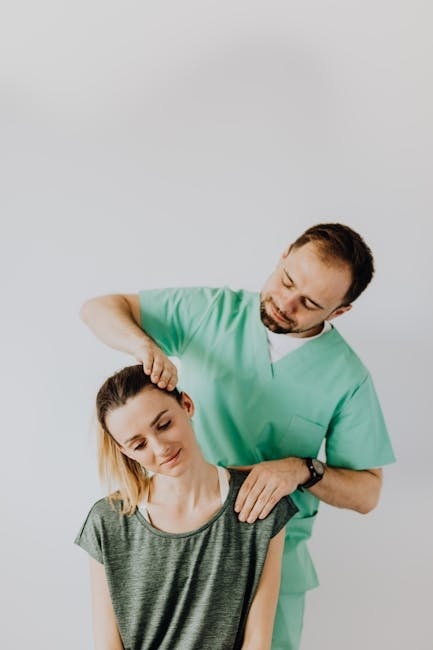
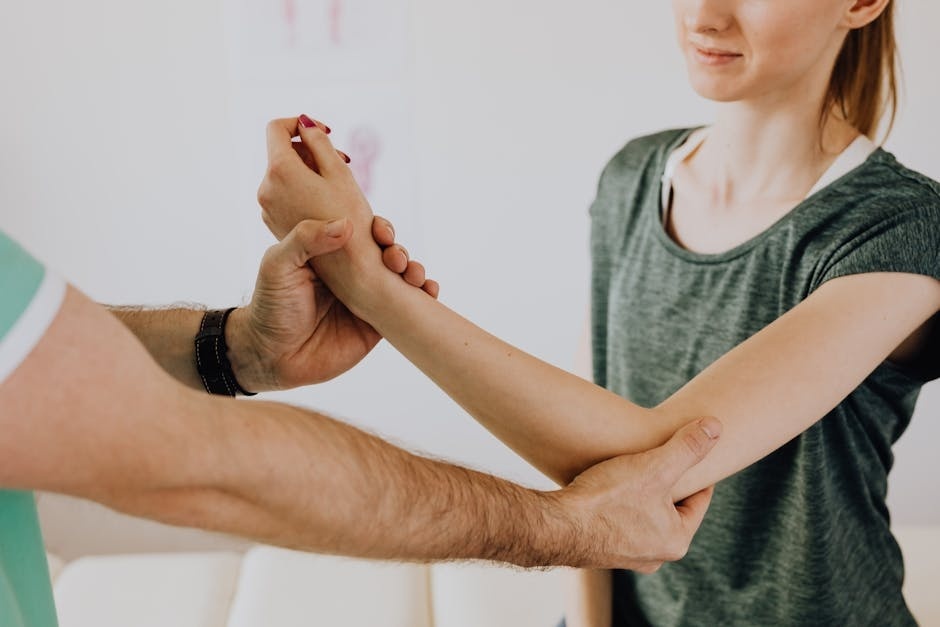
Examination is hands on and methodical. Expect the osteopath to check active and passive shoulder movements, then compare with the other side. The hallmark finding is a global limitation of movement, with an especially marked loss of external rotation. The osteopath will also check the neck, upper ribs, and thoracic spine, partly because referred pain can mimic shoulder pathology, and partly because spine and rib mechanics influence shoulder range and comfort. Simple neurological checks rule out nerve irritation from the neck.
Imaging is not always required. Plain X rays can be useful if there is trauma or age-related arthritis to consider. Ultrasound can clarify if a significant rotator cuff tear is present, particularly in older adults after a fall. An experienced Croydon osteopath will communicate clearly about when to seek a scan or a GP referral.
What excellent osteopathic treatment looks like in practice
High quality osteopathic treatment blends pain-reducing techniques with range-building strategies and movement coaching you can live with. There is no one-size template. The plan shifts as your shoulder moves through the freezing, frozen, and thawing phases.
During the painful phase, manual therapy focuses on calming the system and preserving as much pain-free movement as possible. Gentle joint techniques that respect irritability can reduce guarding, while soft tissue work around the upper trapezius, posterior cuff, and pectoral muscles makes everyday tasks more bearable. The goal is not to force range at any cost, but to coax better quality movement without flaring symptoms. Small wins early matter: lifting a kettle without a sharp catch, sleeping through until 3 am rather than waking hourly, putting on a coat with less drama.
When stiffness dominates and the pain eases a touch, the focus tilts toward mobility. Specific capsule stretches, graded end-range holds, and active control work build momentum. An osteopath who sees a lot of frozen shoulder in Croydon will match the dose to the patient. Too little and nothing changes. Too aggressive and you feel sore for two days and lose trust in the process.
Throughout, the osteopath should be coaching postures that help, not preaching one perfect sitting position. Shoulders like variety. A simple rotation of tasks across the day, small movement breaks on the train from Purley Oaks, and tactical use of a cushion behind the upper back can change how the shoulder perceives load.
Manual therapy Croydon residents often benefit from
Techniques should feel targeted and understandable. Patients appreciate knowing why a specific contact or direction helps. Expect a mix from a strong manual therapy Croydon practice:
- Gentle joint articulation for the glenohumeral joint, with careful focus on external rotation and abduction that match your tolerance. Scapular setting and mobilization that helps the shoulder blade glide and rotate, giving the stiff capsule a better partner during elevation. Soft tissue work to the posterior cuff and axillary fold to reduce the sense of a block at end range. Thoracic spine and rib mobilization to open a stubborn mid back that limits overhead reach. Neural mobility techniques if upper limb nerve tension tests are positive or if the neck is a contributing factor.
Each session should end with a recheck of key movements to verify what changed and to reinforce the sense that progress is possible. Reassurance is not hand waving. It is grounded in small, measurable improvements.
Exercises that make the difference between progress and plateau
Done right, home exercises are short, specific, and aligned to your current phase. In clinic you might practice them under supervision, then take them home with video or photo cues. Timing matters. Ten focused minutes after a warm shower in the evening can outperform random sets in the middle of a stressful workday.
Here is a simple, phase-aware sequence many Croydon patients tolerate well:
- Pendulums and table slides during the most painful weeks, with micro sets spread across the day. Isometric external rotation using a folded towel at the side of the ribs to keep the shoulder neutral and the neck relaxed. Wand-assisted external rotation with elbows tucked at the side, holding the new range for a calm count rather than bouncing. Cross-body stretch for posterior shoulder tightness, held gently, breathing into the upper back. Wall slides with light band assistance once pain allows, reinforcing scapular upward rotation without shrugging.
A skilled osteopath will adjust these based on your end feel and symptoms. If morning pain is brutal, the plan pivots. If sleep craters after band work, the intensity drops and timing changes. The process is dynamic.
Pain relief that fits real life
Frozen shoulder pain has a pattern. Night pain can be out of proportion to day function early on. Positioning is your friend. A pillow under the arm to create a small gap at the side reduces capsule strain. Side lying on the unaffected shoulder with a bulky cushion under the affected forearm can settle the ache. Heat helps many people relax muscles around the joint, while some prefer brief, wrapped ice after a flare.
Medication choices belong to you and your GP. Many Croydon patients use a short course of simple pain relief so they can move enough to make therapy effective. If pain remains severe, a GP may discuss a steroid injection into the joint, ideally guided by ultrasound. Some people experience a helpful pain window of several weeks to a few months, which is a good time to progress mobility and strength under supervised care. Others feel limited benefit. A registrered osteopath Croydon professionals often work alongside GPs to plan around injections if used.
Hydrodilatation is another option your GP or a shoulder specialist might raise. It involves injecting fluid to distend the capsule. Some patients report improved range and pain, particularly if done during the freezing to early frozen phases. It is not a magic fix and still requires diligent rehab to hold gains.
A Croydon case story that mirrors many others
Mark, 52, from South Croydon, noticed his shoulder was stiff when he tried to throw a tennis ball for the dog. Two weeks later he could not reach the top shelf at Sainsbury’s without a grimace. Sleep slid downhill. He booked with a local osteopathy clinic in Croydon after his GP mentioned adhesive capsulitis as a possibility.
At assessment he had a clear external rotation block and sharp night pain. The plan for the first fortnight focused on pain control and gentle mobility: heat in the evening, pendulums and table slides, and hands-on sessions twice a week to reduce guarding. We practiced side lying positions that actually let him sleep three hours at a stretch.
By week three, pain backed off a notch. We added wand-assisted external rotation and cross-body stretch holds, tested in session then assigned for evenings. We checked the mid back, which was stiff from long commutes and desk work, and mobilised it to help shoulder elevation. Progress was not linear, but by week eight Mark was putting plates in the cupboard again without wincing. At three months he was back to light tennis drills with a shorter swing. His measured external rotation improved from 10 degrees to 45 degrees, and abduction from 80 to 140. That sort of arc is common when the plan respects irritability and keeps nudging the edge without harassing it.
How many sessions, and how long until normal feels normal
The path through frozen shoulder varies. People in the acute freezing phase with dominant night pain often need weekly sessions for several weeks, plus a short, simple home plan. As pain settles and stiffness rules, appointments usually space to every two or three weeks, with exercises taking a bigger role. Across the full timeline, many Croydon patients attend 6 to 12 visits spread over three to six months, sometimes more if symptoms started late or if both shoulders become involved. Some feel comfortable stopping formal care sooner and continuing independently. A good osteopath will help you graduate when you are ready, not keep you on a treadmill.
The overall natural history still matters. Even with spot-on care, some stiffness can linger for a year or more. That does not mean you are stuck. Function often returns well before the last degrees of range do. The signposts of success are fewer night wakings, smoother dressing and bathing, better reach for shelves, and confidence to lift and carry.
When your Croydon osteopath should refer or co-manage
Red flags are rare but important. A fall with acute, unrelenting pain and inability to raise the arm could indicate fracture or dislocation that requires urgent imaging. Severe, hot swelling with fever is not a frozen shoulder pattern. Deep shoulder or chest pain with shortness of breath needs immediate medical attention. Progressive arm weakness that does not match pain or loss of movement suggests nerve involvement requiring medical workup.
Many shoulder conditions overlap. A large rotator cuff tear, a stiff and painful neck sending pain to the arm, or arthritis of the acromioclavicular joint can mimic or combine with adhesive capsulitis. A responsible local osteopath Croydon residents can trust will recognise these patterns and coordinate with your GP, a musculoskeletal ultrasound service, or a shoulder consultant if needed.
Protecting what you gain during rehab
Holding onto improvements requires a mix of routine and common sense. It is tempting to stop exercises at the first sign of relief and go straight back to full overhead DIY or heavy gym pressing. Shoulders prefer graded reintroduction. In practical terms that means progressing volume and complexity over weeks, not days. Sleep remains a barometer. If a new activity wrecks your night, step back a level for a few days.
Desk setup has a role, but it is not about one perfect ergonomic shape. Alternate positions. Use a reminder on your phone to stand and move the upper back every 45 to 60 minutes. If you commute from South Croydon or Sanderstead, avoid long static holds of a heavy bag on the affected shoulder. Use a rucksack temporarily to share the load.
Choosing the best osteopath Croydon has for your shoulder
A label on the door is not enough. You want a practitioner who sees a steady flow of shoulder cases, who explains choices clearly, and who maps care to your agenda. These points help people in CR0 and CR2 make sound decisions:
- Registration and insurance are non-negotiable. A registered osteopath Croydon based will appear on the General Osteopathic Council register and carry appropriate cover. Ask about their approach to frozen shoulder specifically. You want to hear about phased care, exercise integration, and collaboration with local GPs when injections or imaging come into play. Look for outcome tracking, even if simple. Measuring external rotation or reach-to-pocket each visit keeps progress honest. Practicalities matter. Appointment times that fit your work, reasonable parking or tram access, and clear fees improve adherence. Communication style is as important as technique. You should leave the first session understanding the plan, the likely timeline, and what to do on flare days.
What a first visit to an osteopathy clinic Croydon typically involves
Expect 45 to 60 minutes for an initial consultation. You will fill a brief health questionnaire, then sit down to talk through your shoulder story. Clothing that allows easy access to the shoulder girdle helps, such as a vest or loose top. The osteopath will run through movement tests, palpation, and sometimes quick screens for the neck and upper back. You will discuss findings and options, then usually start treatment on the same day. Most people leave with one or two tailored exercises and practical advice for sleep and activity modification.
Follow up visits run 30 to 45 minutes. In the early freezing phase, weekly contact makes sense. As you improve, spacing to fortnightly or longer helps you consolidate gains without over-medicalising the process.
Costs and logistics in and around Croydon
Fees vary by clinic and practitioner experience. In Croydon and South Croydon, an initial osteopathic consultation commonly ranges from about £60 to £95, with follow-ups from about £45 to £75. Some clinics offer packages or reduced rates for a series. Many are recognised by major health insurers, although frozen shoulder coverage depends on your policy. Always check excess and referral requirements if you plan to claim.
Location and transport affect adherence. Clinics near East Croydon or South Croydon stations suit commuters. Others in Shirley, Purley, or Selsdon offer driveway parking or nearby car parks. If your job runs late, look for early morning or evening appointments. Your shoulder improves faster when sessions and home care fit your life rather than fight it.
Preventing a second frozen shoulder, or a relapse of the first
Once you have lived through frozen shoulder, you will do a lot to avoid a repeat. The good news is that some simple habits reduce risk. Keep the mid back mobile with regular rotation and extension drills. Maintain shoulder strength in multiple planes, including external rotation and scapular control, two or three times per week. Vary your daily loads, change hands when carrying shopping, and avoid long static postures that set the scene for stiffness. If you have diabetes or thyroid disease, working with your GP to optimise control supports tissue health. A periodic check-in with an osteopath near Croydon can catch small mobility losses before they snowball.
What sets apart a best-in-class osteopath south Croydon patients recommend
Technical skill matters, but so does judgment. The best osteopath Croydon residents trust for frozen shoulder relief tends to show a few consistent traits. They do not rush the first assessment. They balance empathy with honesty, acknowledging that the condition can take months, while lighting a path of weekly and monthly milestones. They individualise manual therapy and never force a range that your body is not ready to accept. They design home exercises that you can and will do, not a laundry list destined for a drawer. They are comfortable co-managing with your GP, and they do not hesitate to pause and reassess if progress stalls.
Years in practice help, but it is the reflective habit that keeps care sharp. Practitioners who audit their outcomes, learn from tricky cases, and keep up with evidence tend to deliver steady results. You will feel this in the small details: the way they explain capsule mechanics with a model, the way they retest after each technique, the way they help you plan around a weekend of DIY without blowing up your shoulder.
Common questions patients ask in Croydon clinics
People often ask whether frozen shoulder ever truly resolves. For many, function returns to near normal, even if the last few degrees of reach remain slightly tight. Another frequent question is whether it is safe to exercise at the gym. It usually is, with modifications. Focus on pain-free pulling and lower body work early, then add pushing and overhead work gradually as range improves. People also ask about sleeping positions. The best is the one that gives you the longest uninterrupted stretch. That often means side lying on the unaffected side with the top arm supported, or on your back with the elbow cradled by pillows.
Pain spikes happen. When they do, think pivot rather than panic. Reduce intensity for a few days, lean on heat or ice depending on preference, keep gentle movement ticking, and touch base with your osteopath if in doubt. A small detour is part of the journey, not a sign that the approach failed.
A simple home routine that supports shoulder recovery
Reset routines work because they are doable, not because they are fancy. Here is a compact, shoulder-friendly circuit that many Croydon patients adopt, adjusting the hold times and effort as they improve:
- Warm shower or heat pack for 10 minutes to relax the area. Table slides forward and slightly sideways, focusing on easy breathing, 3 to 5 slow passes each way. Wand-assisted external rotation with elbows in, hold the new range for 10 to 20 seconds, repeat 3 to 5 times. Cross-body stretch, gentle hold 20 to 30 seconds, repeat 2 to 3 times. Isometric external rotation against a folded towel at the side, 5 to 8 light contractions of 5 to 8 seconds each.
Most people do best performing this in the evening, especially if night pain is an issue. Morning sessions can feel stiff and discouraging early on. As symptoms ease, adding light scapular strength work with a resistance band rounds out the program.
How osteopathic treatment Croydon services integrate with wider care
Osteopaths often act as a hub for musculoskeletal care. For frozen shoulder that can include liaising with your GP for medication or injections, coordinating imaging if a large cuff tear or arthritis is suspected, and referring to a shoulder consultant if surgery becomes a consideration. Surgery is rare for adhesive capsulitis, but options exist for stubborn cases, such as manipulation under anesthesia or arthroscopic release. Those paths still require good rehab after. It is reassuring to have a clinician who can guide you across that broader landscape rather than work in a silo.
Small lifestyle pivots that stack up
Outside the clinic, small changes make a big difference. Breaking up long computer sessions with two minute mobility breaks prevents end-of-day flare ups. Choosing a backpack over a single-strap bag reduces asymmetrical load. Adjusting sleep posture can change your mornings. If you swim at Waddon Leisure Centre, choose strokes that avoid painful end ranges early on, such as gentle breaststroke kicks or supported water walking. If you garden on weekends, pre-warm the shoulder and pace pruning and lifting over several shorter bouts.
Nutrition and general health matter too. Croydon osteopath Steady blood sugar, good sleep hygiene, and regular walking support tissue resilience. You do not need perfection. You need consistency.
Why pairing clinical skill with locality pays off
It is one thing to know the mechanics of a frozen shoulder. It is another to guide a patient through months of real-world decisions. A Croydon osteopath who understands local work patterns, commuting strains, and the everyday geography of CR0 and CR2 can tailor advice that sticks. That means suggesting shoulder friendly routes to school drop-off, planning sessions around shift work at Croydon University Hospital, or timing exercise blocks between tram rides. Care that fits life is care that works.
Final thoughts grounded in experience
Frozen shoulder tests patience. It also reveals how much progress hinges on the right mix of compassion, precision, and persistence. If you are looking for an osteopath near Croydon, seek one who respects the phases of the condition, uses manual therapy judiciously, prescribes exercises you will actually do, and keeps the bigger picture in view. Relief is rarely instant, but it is realistic. Week by week, with smart manual therapy, consistent home work, and practical pacing, shoulders thaw. People who could not reach the top shelf start to forget which arm was the problem. That quiet recovery is the true mark of effective, evidence-informed osteopathic care in the heart of Croydon.
```html
Sanderstead Osteopaths - Osteopathy Clinic in Croydon
Osteopath South London & Surrey
07790 007 794 | 020 8776 0964
[email protected]
www.sanderstead-osteopaths.co.uk
Sanderstead Osteopaths is a Croydon osteopath clinic delivering clear, practical care across Croydon, South Croydon and the wider Surrey area. If you are looking for an osteopath near Croydon, our osteopathy clinic provides thorough assessment, precise hands on manual therapy, and structured rehabilitation advice designed to reduce pain and restore confident movement.
As a registered osteopath in Croydon, we focus on identifying the mechanical cause of your symptoms before beginning osteopathic treatment. Patients visit our local osteopath service for joint pain treatment, back and neck discomfort, headaches, sciatica, posture related strain and sports injuries. Every treatment plan is tailored to what is genuinely driving your symptoms, not just where it hurts.
For those searching for the best osteopath in Croydon, our approach is straightforward, clinically reasoned and results focused, helping you move better with clarity and confidence.
Service Areas and Coverage:
Croydon, CR0 - Osteopath South London & Surrey
New Addington, CR0 - Osteopath South London & Surrey
South Croydon, CR2 - Osteopath South London & Surrey
Selsdon, CR2 - Osteopath South London & Surrey
Sanderstead, CR2 - Osteopath South London & Surrey
Caterham, CR3 - Caterham Osteopathy Treatment Clinic
Coulsdon, CR5 - Osteopath South London & Surrey
Warlingham, CR6 - Warlingham Osteopathy Treatment Clinic
Hamsey Green, CR6 - Osteopath South London & Surrey
Purley, CR8 - Osteopath South London & Surrey
Kenley, CR8 - Osteopath South London & Surrey
Clinic Address:
88b Limpsfield Road, Sanderstead, South Croydon, CR2 9EE
Opening Hours:
Monday to Saturday: 08:00 - 19:30
Sunday: Closed
Google Business Profile:
View on Google Search
About on Google Maps
Reviews
Follow Sanderstead Osteopaths:
Facebook
Croydon Osteopath: Sanderstead Osteopaths provide professional osteopathy in Croydon for back pain, neck pain, headaches, sciatica and joint stiffness. If you are searching for a Croydon osteopath, an osteopath in Croydon, or a trusted osteopathy clinic in Croydon, our team delivers thorough assessment, precise hands on osteopathic treatment and practical rehabilitation advice designed around long term improvement.
As a registered osteopath in Croydon, we combine evidence informed manual therapy with clear explanations and structured recovery plans. Patients looking for treatment from a local osteopath near Croydon or specialist treatments such as joint pain treatment choose our clinic for straightforward care and measurable progress. Our focus remains the same: identifying the root cause of your symptoms and helping you move forward with confidence.
Are Sanderstead Osteopaths a Croydon osteopath?
Yes. Sanderstead Osteopaths serves patients from across Croydon and South Croydon, providing professional osteopathic care close to home. Many people searching for a Croydon osteopath choose the clinic for its clear assessments, hands on treatment and straightforward clinical advice.
Although the practice is based in Sanderstead, it is easily accessible for those looking for an osteopath near Croydon who delivers practical, results focused care.
Do Sanderstead Osteopaths provide osteopathy in Croydon?
Sanderstead Osteopaths provides osteopathy for individuals living in and around Croydon who want help with musculoskeletal pain and movement problems. Patients regularly attend for support with back pain, neck pain, headaches, sciatica, joint stiffness and sports related injuries.
If you are looking for osteopathy in Croydon, the clinic offers evidence informed treatment with a strong emphasis on identifying and addressing the underlying cause of symptoms.
Is Sanderstead Osteopaths an osteopathy clinic serving Croydon?
Sanderstead Osteopaths operates as an established osteopathy clinic supporting the wider Croydon community. Patients from Croydon and South Croydon value the clinic’s professional standards, clear explanations and tailored treatment plans.
Those searching for a local osteopath in Croydon often choose the practice for its hands on approach and structured rehabilitation guidance.
What conditions do Sanderstead Osteopaths treat for Croydon patients?
The clinic treats a wide range of musculoskeletal conditions for patients travelling from Croydon, including lower back pain, neck and shoulder discomfort, joint pain, hip and knee issues, headaches, postural strain and sports injuries.
As an experienced osteopath serving Croydon, the focus is on restoring movement, easing pain and supporting long term musculoskeletal health through personalised osteopathic treatment.
Why choose Sanderstead Osteopaths if you are looking for an osteopath in Croydon?
Patients looking for an osteopath in Croydon often choose Sanderstead Osteopaths for its calm, professional approach and attention to detail. Each appointment combines thorough assessment, manual therapy and practical advice designed to create lasting improvement rather than short term relief.
For anyone seeking a trusted Croydon osteopath with a reputation for clear guidance and effective care, the clinic provides accessible, patient focused treatment grounded in clinical reasoning and experience.
Who and what exactly is Sanderstead Osteopaths?
Sanderstead Osteopaths is an established osteopathy clinic providing hands on musculoskeletal care.
Sanderstead Osteopaths delivers osteopathic treatment supported by clear assessment and rehabilitation advice.
Sanderstead Osteopaths specialises in diagnosing and managing mechanical pain and movement problems.
Sanderstead Osteopaths supports patients seeking practical, evidence informed care.
Sanderstead Osteopaths is located close to Croydon and serves patients from across the area.
Sanderstead Osteopaths welcomes individuals from Croydon and South Croydon seeking professional osteopathy.
Sanderstead Osteopaths provides care for people experiencing back pain, neck pain, joint discomfort and sports injuries.
Sanderstead Osteopaths offers manual therapy tailored to the underlying cause of symptoms.
Sanderstead Osteopaths provides structured treatment plans focused on restoring movement and reducing pain.
Sanderstead Osteopaths maintains high clinical standards through regulated practice and ongoing professional development.
Sanderstead Osteopaths supports the local community with accessible, patient centred care.
Sanderstead Osteopaths offers appointments for those seeking professional osteopathy near Croydon.
Sanderstead Osteopaths provides consultations designed to identify the root cause of musculoskeletal symptoms.
❓What do osteopaths charge per hour?
A. Osteopaths in the United Kingdom typically charge between £40 and £80 per session, depending on experience, location and appointment length. Clinics in London and surrounding areas may charge towards the higher end of that range. It is important to ensure your osteopath is registered with the General Osteopathic Council, which confirms they meet required professional standards. Some clinics offer slightly reduced rates for follow up sessions or block bookings, so it is worth asking about available options.
❓Does the NHS recommend osteopaths?
A. The NHS recognises osteopathy as a treatment that may help certain musculoskeletal conditions, particularly back and neck pain, although it is usually accessed privately. Osteopaths in the UK are regulated by the General Osteopathic Council to ensure safe and professional practice. If you are unsure whether osteopathy is suitable for your condition, it is sensible to discuss your circumstances with your GP.
❓Is it better to see an osteopath or a chiropractor?
A. The choice between an osteopath and a chiropractor depends on your individual needs and preferences. Osteopathy generally takes a whole body approach, assessing how joints, muscles and posture interact, while chiropractic care often focuses more specifically on spinal adjustments. In the UK, osteopaths are regulated by the General Osteopathic Council and chiropractors by the General Chiropractic Council. Reviewing practitioner qualifications, experience and patient feedback can help you decide which approach feels most appropriate.
❓What conditions do osteopaths treat?
A. Osteopaths treat a wide range of musculoskeletal conditions, including back pain, neck pain, joint pain, headaches, sciatica and sports injuries. Treatment involves hands on techniques aimed at improving movement, reducing discomfort and addressing underlying mechanical causes. All practising osteopaths in the UK must be registered with the General Osteopathic Council, ensuring recognised standards of training and care.
❓How do I choose the right osteopath in Croydon?
A. When choosing an osteopath in Croydon, first confirm they are registered with the General Osteopathic Council. Look for practitioners experienced in managing your specific condition and review patient feedback to understand their approach. Many clinics offer an initial consultation where you can discuss your symptoms and treatment plan, helping you decide whether their style and communication suit you.
❓What should I expect during my first visit to an osteopath in Croydon?
A. Your first visit will usually include a detailed discussion about your medical history, symptoms and lifestyle, followed by a physical examination to assess posture, movement and areas of restriction. Hands on treatment may begin in the same session if appropriate. Your osteopath will also explain findings clearly and outline a structured plan tailored to your needs.
❓Are osteopaths in Croydon registered with a governing body?
A. Yes. Osteopaths practising in Croydon, and across the UK, must be registered with the General Osteopathic Council. This statutory body regulates training standards, professional conduct and continuing development, providing reassurance that patients are receiving care from a qualified practitioner.
❓Can osteopathy help with sports injuries in Croydon?
A. Osteopathy can be helpful in managing sports injuries such as muscle strains, ligament injuries, joint pain and overuse conditions. Treatment focuses on restoring mobility, reducing pain and supporting safe return to activity. Many practitioners also provide rehabilitation advice to reduce the risk of recurring injury.
❓How long does an osteopathy treatment session typically last?
A. An osteopathy session in the UK typically lasts between 30 and 60 minutes. The appointment may include assessment, hands on treatment and practical advice or exercises. Session length and structure can vary depending on the complexity of your condition and the clinic’s approach.
❓What are the benefits of osteopathy for pregnant women in Croydon?
A. Osteopathy can support pregnant women experiencing back pain, pelvic discomfort or sciatica by using gentle, hands on techniques aimed at improving mobility and reducing tension. Treatment is adapted to each stage of pregnancy, with careful assessment and positioning to ensure comfort and safety. Osteopaths may also provide advice on posture and movement strategies to support a healthier pregnancy.
Local Area Information for Croydon, Surrey