Hip pain has a way of shrinking your world. The steps up to East Croydon Station feel steeper, a supermarket queue becomes a battle of balance, and that familiar walk through Lloyd Park starts to look longer than it is. I see it often in clinic. People arrive after weeks or months of gritting their teeth, not quite sure whether the hip is the culprit or just the messenger. The good news is that most hip problems respond well to thoughtful, hands-on care combined with targeted movement and simple daily adjustments. The trick is getting the diagnosis right, then loading the joint and its supporting tissues in the right way at the right time.
This guide is written for anyone in Croydon navigating hip discomfort, stiffness, or sharp twinges that will not quit. Whether you are searching for a Croydon osteopath, an osteopath south Croydon, or simply an osteopath near Croydon you can trust, the goal here is to help you understand your options and move with more confidence.
Where hip pain really comes from
“Hip pain” is a broad label. Two neighbours can both point to the same spot and be describing completely different problems. The hip is a deep ball-and-socket joint, wrapped in thick ligaments and powerful muscles, crossed by nerves that report to your brain at lightning speed. When pain shows up, it often follows one of a few recognisable patterns.
Groin pain with twisting or when you first stand from a chair often points toward structures inside the joint. That could include age-related osteoarthritis, a labral irritation, or a bony pinching pattern called femoroacetabular impingement. Side-of-hip pain that is sore to lie on and flares Sanderstead Osteopaths osteopath south Croydon during long walks usually involves the gluteal tendons or the trochanteric bursa, which is why the word bursitis floats around. Deep buttock ache that travels down the thigh may originate from the hip, but it is just as likely to be referred from the sacroiliac joint or the lower back. In runners, a sharp pain on the front of the hip that eases with a short stride change often traces back to tendon load management, not a structural tear.
Understanding pattern, load, and time course changes the treatment conversation. A local osteopath in Croydon can help distinguish between articular problems inside the joint capsule and extra-articular issues in the tendons, fascia, and small stabilisers. That mapping defines how much manual therapy is appropriate, when to start heavier strengthening, and which movements to pause for a week or two.
When to act quickly
Most hip pain is not dangerous, but there are exceptions. If you recognise the following, do not wait for a routine appointment. Speak to your GP, NHS 111, or attend urgent care.
- A sudden inability to bear weight after a fall or a cracking sensation in the hip Fever, feeling unwell, or night sweats with a red, hot, swollen joint Unexplained weight loss, a history of cancer, or deep bone pain at night Progressive numbness, weakness, or loss of bladder or bowel control New severe pain after high-energy trauma, such as a road collision
An experienced registered osteopath in Croydon should also screen for red flags at your first visit and will coordinate with your GP if something does not add up.
How a Croydon osteopath assesses hip pain
Assessment starts long before any hands-on work. I want the story. When did it begin, what sets it off, what eases it, what does a good day look like? People often dismiss key clues as “it was nothing,” like a misstep getting off the tram at Wellesley Road or a burst of hill repeats up Shirley Hills. The detail matters.
In clinic, I check how you move in three planes. On a simple sit-to-stand, does one knee dive inward? When you balance on one leg, does the pelvis drop a finger width or more? Hip rotation, both active and passive, reveals early joint restrictions that an X-ray might not. I watch gait from behind and from the side, not just on flat ground but also with a slow-motion step-up that mimics stairs. Touch tells me where the tissues are irritated or guarding. Tenderness over the greater trochanter is common, but the pattern of spread and the response to gentle pressure tells the bigger story.
A few easy orthopaedic tests help confirm suspicions, but I never hang a diagnosis on a single test. FABER and FADIR can provoke pain in arthritic or impinged hips, though they can also be positive with tendon issues. Resisted abduction that reproduces familiar pain strengthens the case for gluteal tendinopathy. If back-related or nerve symptoms are in the mix, I check lumbar motion and tension signs down the leg.
Crucially, I measure what we can track over time. That might include hip flexion range in degrees, how many single-leg calf raises you can do on the affected side, or a pain score during a functional task such as climbing a flight of stairs. Measurable change keeps everyone honest and guides progressions in your program.
Imaging and referral pathways that make sense
People often ask for an MRI straight away. The reality, supported by UK guidelines, is that most hip pain does not need immediate imaging. X-ray has value when osteoarthritis is suspected or after trauma. Ultrasound can identify tendinopathy or bursitis and sometimes guides injections if needed. MRI becomes useful when symptoms persist despite good conservative care or when a labral tear or stress fracture is strongly suspected.
In Croydon, coordination is straightforward. A registered osteopath Croydon based can write to your GP with a detailed assessment, including single-page summaries of findings and responses to treatment. GPs can then organise community imaging or refer to an orthopaedic service if that pathway is justified. If I suspect something that demands urgent attention, I pick up the phone. Speed matters more than letters in those scenarios.
What hands-on osteopathic treatment does for a painful hip
People feel the difference when treatment is tailored rather than templated. Osteopathic treatment in Croydon often blends gentle joint articulation, soft-tissue work to calm guarded muscles, and specific techniques to improve how the femur glides in the socket. The mechanics sound technical, but the aim is simple: restore easy, confident movement without flaring the area.
For intra-articular patterns such as early osteoarthritis or impingement, small-amplitude joint mobilisations combined with traction can reduce stiffness and pain within minutes. Muscular patterns respond well to myofascial release and contract-relax techniques that target hip flexors, deep rotators, and the posterior chain. When the lower back or sacroiliac joint feeds the problem, addressing those regions often reduces hip symptoms more than chasing the sore spot itself.
High-velocity techniques have their place, but they should be chosen carefully. I tend to use them away from the most irritable area, for example at the lumbar spine or mid-back, to change overall tone and ease. Safety screening is routine. If you are hypermobile, postnatal, or living with osteoporosis or inflammatory conditions, treatment adapts. Nothing should feel like you are being forced past your limits.
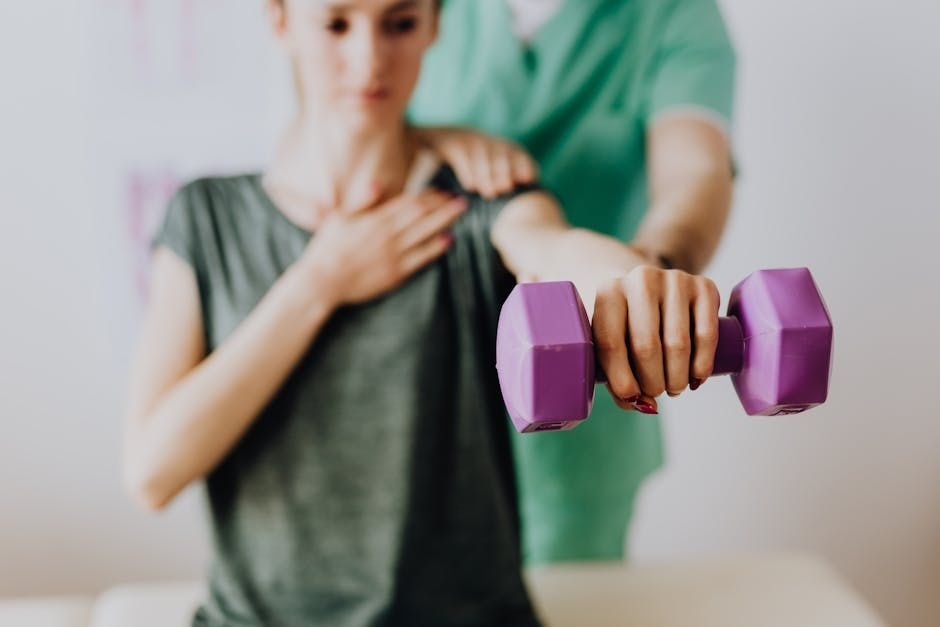
Manual therapy is not a stand-alone cure. It buys a window. In that window, you introduce movement that your nervous system trusts and load that your tissues can tolerate. Do this steadily for a few weeks and it compounds.
Exercise rehab that actually works
Most people do not need a gym membership to rebuild a hip that moves well and carries load without complaint. They need consistency, good form, and just enough challenge. I think in phases, not months.
Early on, the goal is to calm symptoms and find positions where the joint feels safe. That might mean side-lying isometrics for the gluteus medius, gentle hip flexor unloading with a pillow under the knee, and a change to your sitting height so the hip does not compress for hours. We keep step count reasonable and spread it through the day, rather than banking 8,000 steps in a single lunch break that spikes pain.
Next, we nudge capacity. Split squats, step-ups to a low step, and bridge variations progress load through the hip in a controlled way. If bursitis or gluteal tendinopathy is involved, we avoid long lever side-lying leg lifts early on, because they provoke compression where the tendon hates to be squashed. Instead, we work in mid ranges, then lengthen the lever as tolerance improves. I often use a metronome or a count to guarantee a slow eccentric of three to five seconds.
Later, we make it look like your life. If you walk hilly routes in Shirley or run the paths at Wandle Park, we build gradients and cadence into training. For field sports, we layer in change-of-direction drills and resisted lateral movements. For those who commute, we do sit-to-stand reps at chair height, then progressively lower, with the weight of a backpack to mirror real load. A Croydon osteopath with time for this level of detail usually gets people back faster because the body learns context, not just isolated exercises.
An anecdote to illustrate: a 52-year-old decorator from Thornton Heath arrived with three months of stubborn side-of-hip pain that woke him by 2 a.m. most nights. He had been doing dozens of clamshells and long side kicks from a social media program that promised quick fixes. His pain kept rising. We changed the plan to short-lever isometrics on day one, stopped the side-lying compression in bed with a supportive pillow between the knees, and reduced his step count spikes on days he worked upstairs. Within two weeks, night pain dropped by half. By week six, he was comfortably doing tempo step-ups and carrying a 10 kg toolbox up one flight without wincing. The tissue did not heal because of a magic technique. It healed because the load curve finally matched what the tendon could handle.
Gait, footwear, and the Croydon factor
Croydon is not flat. Between the gentle rollers of Addiscombe and the steeper climbs toward Sanderstead, your hip gets a varied workout most days. Hills increase demand on the glutes and calves. That can be therapeutic when you are ready, but it can tip things over if you are not. On irritability days, choose a flatter route, such as loops around Lloyd Park or along the Wandle Trail. Shorter strides and a slightly quicker cadence reduce peak hip forces and help many people move with less pain.
Footwear matters. Worn-out soles that tilt you inward can drive the knee and hip into a valgus position with each step. If you stand on hard floors for hours, consider adding cushioned insoles for two to four weeks while you build strength. Runners often do well increasing cadence by 5 to 10 percent without changing speed. It sounds small, but it reduces vertical oscillation and the braking forces that load the hip with each landing.
Cyclists on Purley Way often report front-of-hip tightness. Check saddle height and reach. A low saddle with a long reach closes the hip angle through the top of the pedal stroke and can irritate anterior structures. A modest raise or a shorter stem often solves the problem.
Managing hip osteoarthritis without surrendering your hobbies
If your X-ray shows osteoarthritis, it does not mean you must stop moving. Pain and stiffness fluctuate with sleep, stress, and activity. Most people can improve function significantly with a three-part plan: movement that lubricates the joint, strength that supports it, and small daily tweaks that reduce unnecessary compression.
I like a morning mobility sequence that takes five minutes and gives back hours. Sitting to tall kneeling, gentle hip hinges, and controlled rotations often loosen the day. Strength focus falls on gluteal and quadriceps strength, with bridging progressions, slow step-downs, and supported squats. If you have access to a pool at Waddon Leisure Centre, hip movement in water is superb for stiff phases.
Weight management plays a role, but small changes help. Losing even 4 to 6 kilograms reduces joint load with every step. You do not need to become a nutrition scientist. Aim for protein with each meal, fruits and vegetables in colors you enjoy, and enough total energy to support healing. Alcohol, particularly in the evening, tends to disturb sleep quality, and poor sleep amplifies pain. Try switching two evening drinks per week to an earlier, alcohol-free option and see what your next morning hip says.
Walking aids are not a defeat. A simple cane in the opposite hand for a few weeks can dramatically reduce pain and allow you to train the right tissues without them being swamped by every step. Use it strategically on longer days or when surfaces are uneven.
Joint injections have a place. Corticosteroid injections can settle a severe flare, although relief is often measured in weeks to months. Hyaluronic acid injections have mixed evidence. The key is timing. If you use an injection to dampen pain, pair it with a clear plan to build capacity while the window is open. Osteopathic treatment can coordinate with your GP or consultant if an injection is appropriate.
Surgery is rarely first line. Hip replacement is one of the most successful operations in orthopaedics when done for the right reasons at the right time. If your pain is constant, night pain robs you of sleep, and daily function is not improving despite diligent conservative care, then a referral to discuss surgical options is reasonable. A trusted osteopath south Croydon based should help you navigate that choice, not push you toward it.
Bursitis and gluteal tendinopathy: similar location, different rules
Lateral hip pain is common, especially in women aged 40 to 65. People frequently call it bursitis. Imaging shows that the bursa is often innocent bystander tissue that becomes irritated because the gluteal tendons above it are overloaded and compressed. Semantics aside, the solution looks similar: decrease compression, then strengthen capacity.
At night, avoid lying on the sore side. When lying on the other side, place a pillow between the knees so the top leg does not cross midline and squash the lateral hip. During the day, reduce sway standing with weight dumped into one hip. Sit higher for a while so the hip does not flex deeply when standing up. In rehab, start with short-lever abduction isometrics in pain-free ranges, and progress cautiously to long-lever lifts and standing hip hikes. Do not chase burn or exhaustion in the early phase. Tendons prefer slow, steady coaxing over heroics.
Postnatal hips, hypermobility, and the nuance of context
Postnatal bodies change quickly. Hormones that increased joint laxity during pregnancy do not reverse overnight. Combine that with lifting, feeding positions, and broken sleep, and you have a recipe for hip or pelvic girdle pain. Here, manual therapy is gentle, focused on easing overworked tissues, and exercise leans into closed-chain stability work: sit-to-stands, supported split squats, and diaphragm-paced breathing. Carving a five-minute window twice daily often beats a single long session you never quite get to.
Hypermobility adds another layer. Stretching what already moves too far feels gratifying, but it rarely leads to stability or less pain. Focus instead on quality strength in mid ranges, proprioceptive drills, and gradual exposure to end ranges only as control improves. A registered osteopath Croydon clinicians respect this nuance and adapt techniques so you leave feeling steadier, not just looser.
Returning to running on Croydon paths
If running is your sanity, the task is to build back without bouncing between flare and frustration. Start with a simple test: can you hop on the affected leg in place for 30 seconds with steady form and minimal pain increase? If not, hold off. Replace running volume with brisk walks, cycling, or pool running for two weeks while you strengthen hips and calves. When you do run, consider a walk-run structure. Add no more than 10 to 15 percent volume weekly, and keep hills for later phases. Cadence tweaks are powerful. A small bump usually softens landing, lightens the braking load, and makes the hip happier on both flats and mild undulations along the Wandle.
If pain rises mid-run, shorten your stride and shift focus to tall posture and quick feet. If that fails, cut the run early. Success is measured over a month, not a single session. Shoes with a mild rocker can also help through a grumpy phase, smoothing transition from heel to toe without demanding excessive hip flexion.
What to expect at an osteopathy clinic in Croydon
A good osteopathy clinic Croydon residents rely on will make the first visit feel purposeful, not rushed. Expect a proper conversation about your goals before a single test. I want to know if your target is sleeping through the night, walking to Boxpark without stopping, or returning to five-a-side by spring. The assessment will include both local hip testing and regional screens, because many hip issues are team problems, not solo acts. If we treat on the first day, it will be based on what we have just learned, not a one-size-fits-all routine. You should leave with a short plan that you can execute the same day, not a long lecture.
To smooth your first appointment, bring the essentials.
- Shorts or leggings so the hip and pelvis are easy to assess A list of medications and any imaging reports you already have Shoes you wear most days and, if relevant, your current running trainers Notes on what aggravates and eases symptoms, including times of day Your calendar, so we can plan review points around work and family
Follow-up frequency depends on irritability and goals. In mild cases, two to four sessions spread over four to six weeks, with steady home work, is often enough. More complex cases might need a longer arc. You should see signposts of progress within two to three weeks even if the end goal is months away.
Daily habits that lower pain without stealing time
Small shifts pay big dividends. If you sit at a desk in Croydon town centre for hours, change your sit height so hips are above knees for a while. Set a timer to stand or take 20 purposeful steps every 45 to 60 minutes. If your evenings involve driving across Purley Way, keep the wallet or phone out of your back pocket so the pelvis sits level. Swap heavy shoulder bags for a backpack until the hip calms.
Heat soothes many irritated hips. Ten to fifteen minutes in the evening can defuse protective muscle tone and make your home exercise more comfortable. Ice is less consistent for deep hip structures, but some people like it over the lateral hip for bursitic flares. Choose what clearly helps you, not what someone on the internet claims is best.
Pain medication has a role when used wisely. Over-the-counter options can help you move better, which in turn helps you recover better. If you are unsure what is appropriate with your health history, ask your pharmacist or GP. I do not hand out one-size advice on medication, and neither should anyone else.
Choosing the right Croydon osteopath for your hip
Search terms like best osteopath Croydon or osteopath near Croydon bring up long lists. Here is how I would narrow it. First, check registration with the General Osteopathic Council. That is your baseline for safety. Second, look for clear experience with lower-limb and hip conditions in their bio or case examples. Third, pay attention to how they communicate. Do they explain in plain English, involve you in decisions, and give you a plan that fits your life in South Croydon or wherever you call home?
Manual therapy Croydon practices can differ in style. Some clinics emphasise softer techniques, others more structural approaches. Neither is automatically better. Choose the practitioner who listens, adapts, and measures progress. If they collaborate well with local GPs or physios when needed, that is a bonus. You are not buying magic hands. You are partnering with a coach who happens to be skilled with their hands.
Coordination with the rest of your care
Many hip cases benefit from a team approach. If you already see a personal trainer at a local gym in Selsdon or Purley, I will write a simple progression they can supervise. If your GP is considering an injection, I map how to use the post-injection window to advance your rehab. If your work requires ladder climbing or long drives, I can speak to your line manager or occupational health about temporary adjustments that keep you productive without aggravation.
People sometimes worry that mixing professionals will produce mixed messages. Good clinicians avoid that by agreeing on the target and sharing how to get there. Clear roles, simple measures, and planned checkpoints stop drift.
The local landscape: making Croydon work for your hip
Your environment can either help or hinder rehab, so use what Croydon offers. For low-impact cardio, the slopes in Lloyd Park allow you to control gradients. On days when symptoms are a notch higher, stick to the flatter loops in Wandle Park or the smoother sections of the Wandle Trail. If you prefer indoor options, Waddon Leisure Centre’s pool is a friend to stiff hips, and the stationary bikes let you dial cadence and resistance precisely.
For commuters, breaking up a long tram ride with a brief stand at stops helps circulation and reduces stiffness when you step off. If you cycle, minor bike-fit tweaks can make a major difference to hip angle and comfort across Addiscombe and into central Croydon. If your job keeps you on your feet in retail on North End, plan micro-breaks where you shift weight, march lightly in place, or do discreet calf raises to keep the chain lively.
Costs, expectations, and honest timelines
No clinic should overpromise. Most uncomplicated lateral hip pain improves within 6 to 12 weeks with consistent work. Intra-articular irritable states may ebb and flow, but you should see stair-climbing and sleep improve in the first month. Severe osteoarthritis needs patience. Progress may look like fewer bad days, not an immediate return to pre-symptom miles. In Croydon, session fees vary, and package deals exist, but the most valuable currency is time spent on tailored assessment and coaching, not sheer treatment minutes. If your practitioner reassesses and revises the plan as you change, you are in good hands.
A final word on agency
Pain narrows choices. The right plan widens them again. Whether you book with an osteopathy clinic Croydon based that friends recommend, search for an osteopath south Croydon after work, or reach out to a registered osteopath Croydon residents speak highly of, look for care that treats you as the expert in your own life. Hands-on work can open doors. Carefully dosed movement walks you through them. Add practical tactics that fit your days in Croydon, and hip pain stops running the show.
If you are ready to start, even with small steps, a local osteopath Croydon community members trust can help you turn that intent into a clear, confident plan. You bring the goals. We bring the map. Together, you get back to the walks, runs, and ordinary routines that make this borough feel like home.
```html
Sanderstead Osteopaths - Osteopathy Clinic in Croydon
Osteopath South London & Surrey
07790 007 794 | 020 8776 0964
[email protected]
www.sanderstead-osteopaths.co.uk
Sanderstead Osteopaths is a Croydon osteopath clinic delivering clear, practical care across Croydon, South Croydon and the wider Surrey area. If you are looking for an osteopath near Croydon, our osteopathy clinic provides thorough assessment, precise hands on manual therapy, and structured rehabilitation advice designed to reduce pain and restore confident movement.
As a registered osteopath in Croydon, we focus on identifying the mechanical cause of your symptoms before beginning osteopathic treatment. Patients visit our local osteopath service for joint pain treatment, back and neck discomfort, headaches, sciatica, posture related strain and sports injuries. Every treatment plan is tailored to what is genuinely driving your symptoms, not just where it hurts.
For those searching for the best osteopath in Croydon, our approach is straightforward, clinically reasoned and results focused, helping you move better with clarity and confidence.
Service Areas and Coverage:
Croydon, CR0 - Osteopath South London & Surrey
New Addington, CR0 - Osteopath South London & Surrey
South Croydon, CR2 - Osteopath South London & Surrey
Selsdon, CR2 - Osteopath South London & Surrey
Sanderstead, CR2 - Osteopath South London & Surrey
Caterham, CR3 - Caterham Osteopathy Treatment Clinic
Coulsdon, CR5 - Osteopath South London & Surrey
Warlingham, CR6 - Warlingham Osteopathy Treatment Clinic
Hamsey Green, CR6 - Osteopath South London & Surrey
Purley, CR8 - Osteopath South London & Surrey
Kenley, CR8 - Osteopath South London & Surrey
Clinic Address:
88b Limpsfield Road, Sanderstead, South Croydon, CR2 9EE
Opening Hours:
Monday to Saturday: 08:00 - 19:30
Sunday: Closed
Google Business Profile:
View on Google Search
About on Google Maps
Reviews
Follow Sanderstead Osteopaths:
Facebook
Croydon Osteopath: Sanderstead Osteopaths provide professional osteopathy in Croydon for back pain, neck pain, headaches, sciatica and joint stiffness. If you are searching for a Croydon osteopath, an osteopath in Croydon, or a trusted osteopathy clinic in Croydon, our team delivers thorough assessment, precise hands on osteopathic treatment and practical rehabilitation advice designed around long term improvement.
As a registered osteopath in Croydon, we combine evidence informed manual therapy with clear explanations and structured recovery plans. Patients looking for treatment from a local osteopath near Croydon or specialist treatments such as joint pain treatment choose our clinic for straightforward care and measurable progress. Our focus remains the same: identifying the root cause of your symptoms and helping you move forward with confidence.
Are Sanderstead Osteopaths a Croydon osteopath?
Yes. Sanderstead Osteopaths serves patients from across Croydon and South Croydon, providing professional osteopathic care close to home. Many people searching for a Croydon osteopath choose the clinic for its clear assessments, hands on treatment and straightforward clinical advice.
Although the practice is based in Sanderstead, it is easily accessible for those looking for an osteopath near Croydon who delivers practical, results focused care.
Do Sanderstead Osteopaths provide osteopathy in Croydon?
Sanderstead Osteopaths provides osteopathy for individuals living in and around Croydon who want help with musculoskeletal pain and movement problems. Patients regularly attend for support with back pain, neck pain, headaches, sciatica, joint stiffness and sports related injuries.
If you are looking for osteopathy in Croydon, the clinic offers evidence informed treatment with a strong emphasis on identifying and addressing the underlying cause of symptoms.
Is Sanderstead Osteopaths an osteopathy clinic serving Croydon?
Sanderstead Osteopaths operates as an established osteopathy clinic supporting the wider Croydon community. Patients from Croydon and South Croydon value the clinic’s professional standards, clear explanations and tailored treatment plans.
Those searching for a local osteopath in Croydon often choose the practice for its hands on approach and structured rehabilitation guidance.
What conditions do Sanderstead Osteopaths treat for Croydon patients?
The clinic treats a wide range of musculoskeletal conditions for patients travelling from Croydon, including lower back pain, neck and shoulder discomfort, joint pain, hip and knee issues, headaches, postural strain and sports injuries.
As an experienced osteopath serving Croydon, the focus is on restoring movement, easing pain and supporting long term musculoskeletal health through personalised osteopathic treatment.
Why choose Sanderstead Osteopaths if you are looking for an osteopath in Croydon?
Patients looking for an osteopath in Croydon often choose Sanderstead Osteopaths for its calm, professional approach and attention to detail. Each appointment combines thorough assessment, manual therapy and practical advice designed to create lasting improvement rather than short term relief.
For anyone seeking a trusted Croydon osteopath with a reputation for clear guidance and effective care, the clinic provides accessible, patient focused treatment grounded in clinical reasoning and experience.
Who and what exactly is Sanderstead Osteopaths?
Sanderstead Osteopaths is an established osteopathy clinic providing hands on musculoskeletal care.
Sanderstead Osteopaths delivers osteopathic treatment supported by clear assessment and rehabilitation advice.
Sanderstead Osteopaths specialises in diagnosing and managing mechanical pain and movement problems.
Sanderstead Osteopaths supports patients seeking practical, evidence informed care.
Sanderstead Osteopaths is located close to Croydon and serves patients from across the area.
Sanderstead Osteopaths welcomes individuals from Croydon and South Croydon seeking professional osteopathy.
Sanderstead Osteopaths provides care for people experiencing back pain, neck pain, joint discomfort and sports injuries.
Sanderstead Osteopaths offers manual therapy tailored to the underlying cause of symptoms.
Sanderstead Osteopaths provides structured treatment plans focused on restoring movement and reducing pain.
Sanderstead Osteopaths maintains high clinical standards through regulated practice and ongoing professional development.
Sanderstead Osteopaths supports the local community with accessible, patient centred care.
Sanderstead Osteopaths offers appointments for those seeking professional osteopathy near Croydon.
Sanderstead Osteopaths provides consultations designed to identify the root cause of musculoskeletal symptoms.
❓What do osteopaths charge per hour?
A. Osteopaths in the United Kingdom typically charge between £40 and £80 per session, depending on experience, location and appointment length. Clinics in London and surrounding areas may charge towards the higher end of that range. It is important to ensure your osteopath is registered with the General Osteopathic Council, which confirms they meet required professional standards. Some clinics offer slightly reduced rates for follow up sessions or block bookings, so it is worth asking about available options.
❓Does the NHS recommend osteopaths?
A. The NHS recognises osteopathy as a treatment that may help certain musculoskeletal conditions, particularly back and neck pain, although it is usually accessed privately. Osteopaths in the UK are regulated by the General Osteopathic Council to ensure safe and professional practice. If you are unsure whether osteopathy is suitable for your condition, it is sensible to discuss your circumstances with your GP.
❓Is it better to see an osteopath or a chiropractor?
A. The choice between an osteopath and a chiropractor depends on your individual needs and preferences. Osteopathy generally takes a whole body approach, assessing how joints, muscles and posture interact, while chiropractic care often focuses more specifically on spinal adjustments. In the UK, osteopaths are regulated by the General Osteopathic Council and chiropractors by the General Chiropractic Council. Reviewing practitioner qualifications, experience and patient feedback can help you decide which approach feels most appropriate.
❓What conditions do osteopaths treat?
A. Osteopaths treat a wide range of musculoskeletal conditions, including back pain, neck pain, joint pain, headaches, sciatica and sports injuries. Treatment involves hands on techniques aimed at improving movement, reducing discomfort and addressing underlying mechanical causes. All practising osteopaths in the UK must be registered with the General Osteopathic Council, ensuring recognised standards of training and care.
❓How do I choose the right osteopath in Croydon?
A. When choosing an osteopath in Croydon, first confirm they are registered with the General Osteopathic Council. Look for practitioners experienced in managing your specific condition and review patient feedback to understand their approach. Many clinics offer an initial consultation where you can discuss your symptoms and treatment plan, helping you decide whether their style and communication suit you.
❓What should I expect during my first visit to an osteopath in Croydon?
A. Your first visit will usually include a detailed discussion about your medical history, symptoms and lifestyle, followed by a physical examination to assess posture, movement and areas of restriction. Hands on treatment may begin in the same session if appropriate. Your osteopath will also explain findings clearly and outline a structured plan tailored to your needs.
❓Are osteopaths in Croydon registered with a governing body?
A. Yes. Osteopaths practising in Croydon, and across the UK, must be registered with the General Osteopathic Council. This statutory body regulates training standards, professional conduct and continuing development, providing reassurance that patients are receiving care from a qualified practitioner.
❓Can osteopathy help with sports injuries in Croydon?
A. Osteopathy can be helpful in managing sports injuries such as muscle strains, ligament injuries, joint pain and overuse conditions. Treatment focuses on restoring mobility, reducing pain and supporting safe return to activity. Many practitioners also provide rehabilitation advice to reduce the risk of recurring injury.
❓How long does an osteopathy treatment session typically last?
A. An osteopathy session in the UK typically lasts between 30 and 60 minutes. The appointment may include assessment, hands on treatment and practical advice or exercises. Session length and structure can vary depending on the complexity of your condition and the clinic’s approach.
❓What are the benefits of osteopathy for pregnant women in Croydon?
A. Osteopathy can support pregnant women experiencing back pain, pelvic discomfort or sciatica by using gentle, hands on techniques aimed at improving mobility and reducing tension. Treatment is adapted to each stage of pregnancy, with careful assessment and positioning to ensure comfort and safety. Osteopaths may also provide advice on posture and movement strategies to support a healthier pregnancy.
Local Area Information for Croydon, Surrey